The Journey

June 16th
Arrival in Cusco - Sacred Valley
Participants arrive in Cusco and are transported to the Sacred Valley to settle in, acclimate to the altitude, and prepare for the days ahead. We gather for a welcoming dinner to open the space together.


June 17th
Opening the Pilgrimage
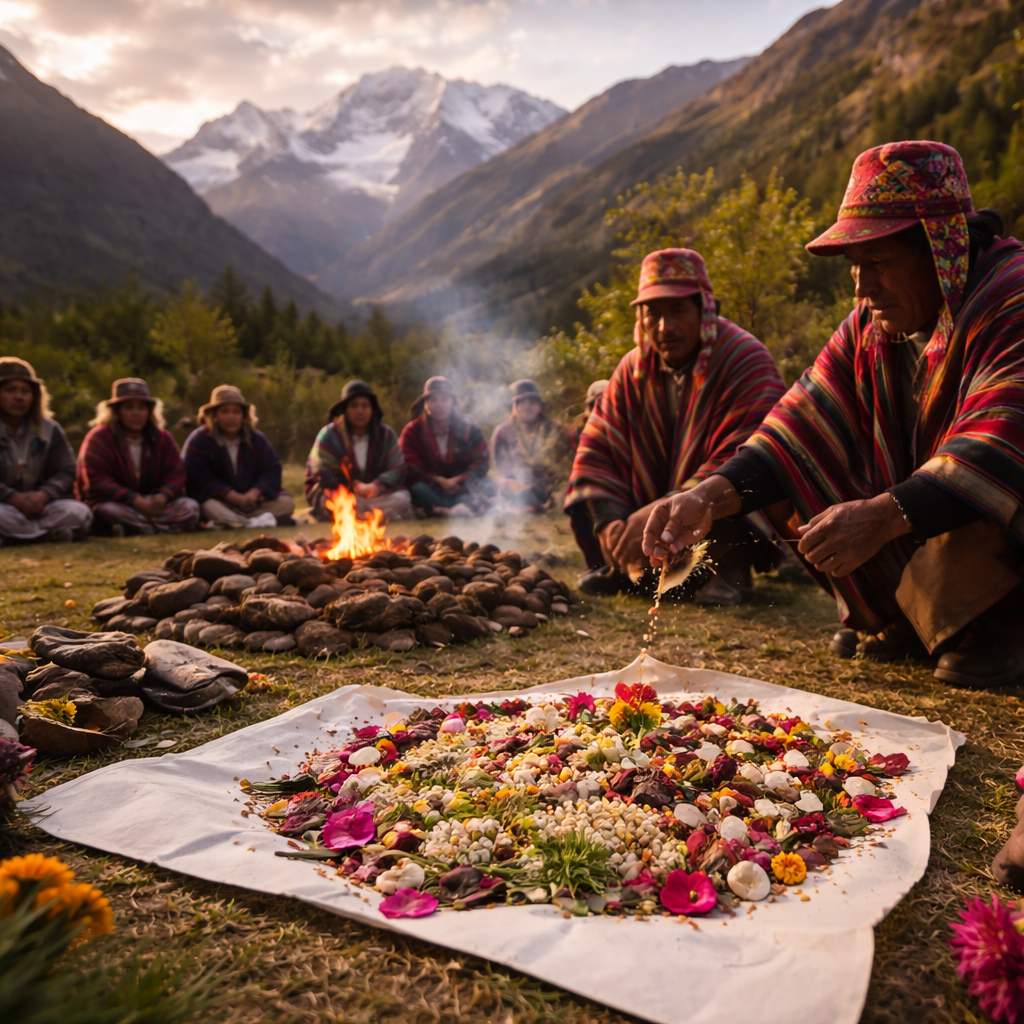
We formally open the container with an Opening Circle, followed by a traditional Despacho ceremony offered in Ayni (reciprocity) with Pachamama and the Apus. The day concludes with a Temescal purification ceremony to cleanse and prepare the body and spirit for ceremony.
June 18th
Ceremony 1: Hatun Karpay + Huchuy Qosqo
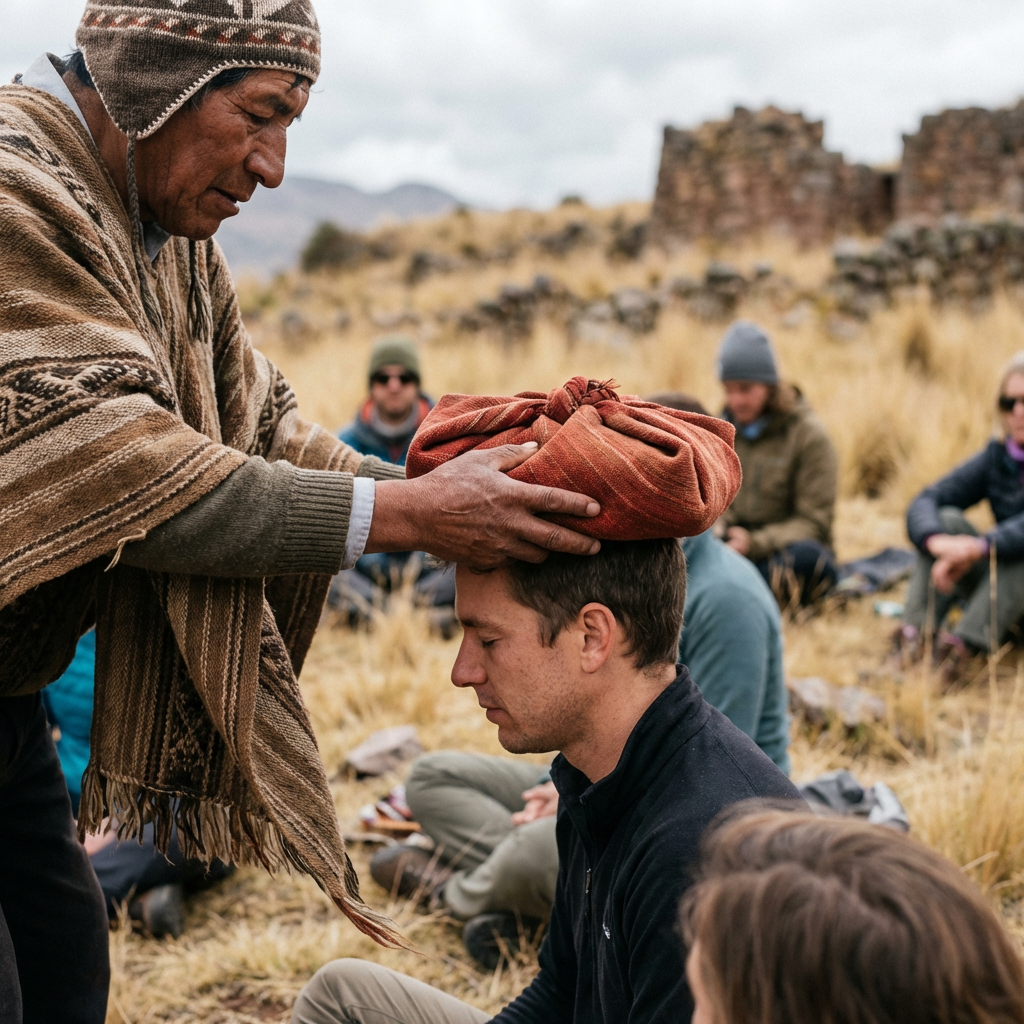
We begin our first Ceremony with a Hatun Karpay Initiation. This is a ceremonial initiation of empowerment offered by Percy our Quechua wisdom keeper to deepen one’s relationship with the Apus, Pachamama, and the living spiritual forces of the Andes. We open our Huachuma ceremony among the Huchuy Qosqo ancient ruins, where stone carries ancient memory and prayer. Here, the heart begins to open and the land begins to speak.
June 19th
Waterfall Integration
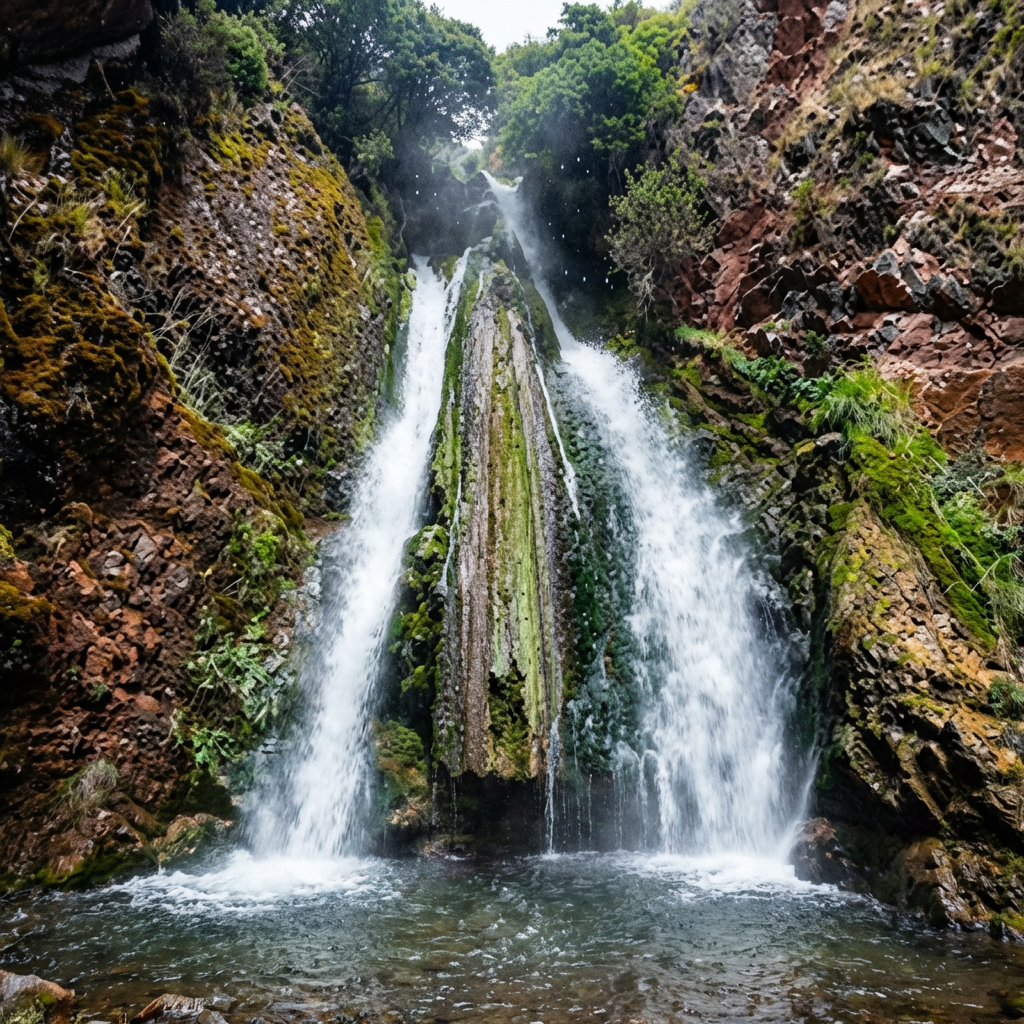
A day of integration at Chinchero Waterfall allows our internal sacred waters to harmonize the solar fire of the medicine, softening and clearing the emotional body. In the evening, participants may choose to deepen their integration with an optional add on spa experience.
June 20th
Travel to Ausaungate
We travel to Apu Ausangate, one of the most revered Apus of the Andes ascending into the high mountain terrain in preparation for Solstice.

June 21st
Solstice Ceremony 2 Ausaungate + Karpay
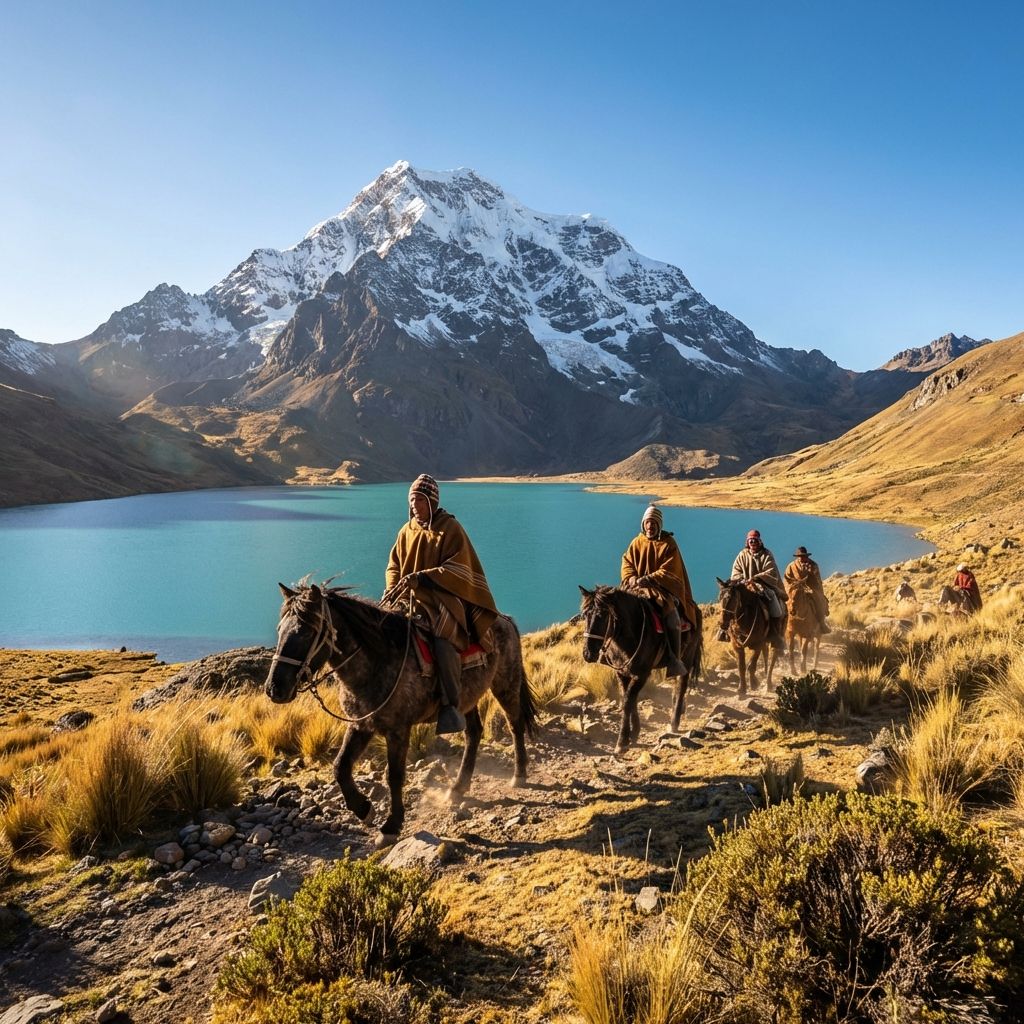
Under the longest light of the year, we journey by horseback into Ausangate for our second Huachuma ceremony. In the presence of Apu Ausangate, this sacred elder becomes our teacher as we receive our final Karpay in an otherworldly landscape shaped by glacier and sky. After descending the Apu, we integrate in the thermal hot springs, allowing the body and spirit to settle before our return to the Sacred Valley.
June 22nd
Return to Sacred Valley
We travel back to the Sacred Valley, allowing time for rest and recalibration after our time in the high mountains.

June 23rd
Ceremony 3 Kinsa Cocha Lake
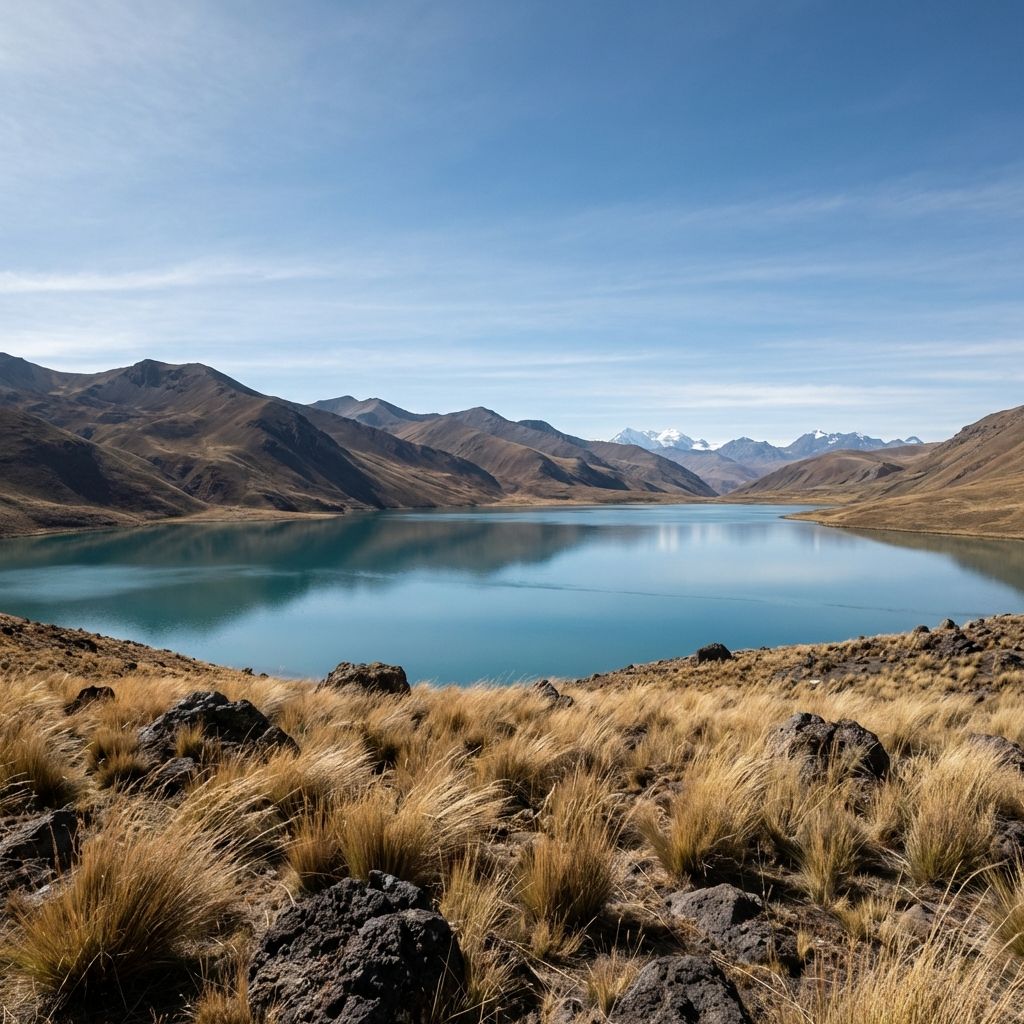
Our third Huachuma ceremony unfolds at Kinsa Cocha Lake, one of the high-Andean lakes in the Sacred Valley formed by ancient volcanic and glacial forces. Surrounded by open mountain terrain and pristine waters, in the vast openness of the Andes, anchored between earth and horizon, allowing the medicine and the mountains to seal the pilgrimage before our return.
June 24th
Integration Day
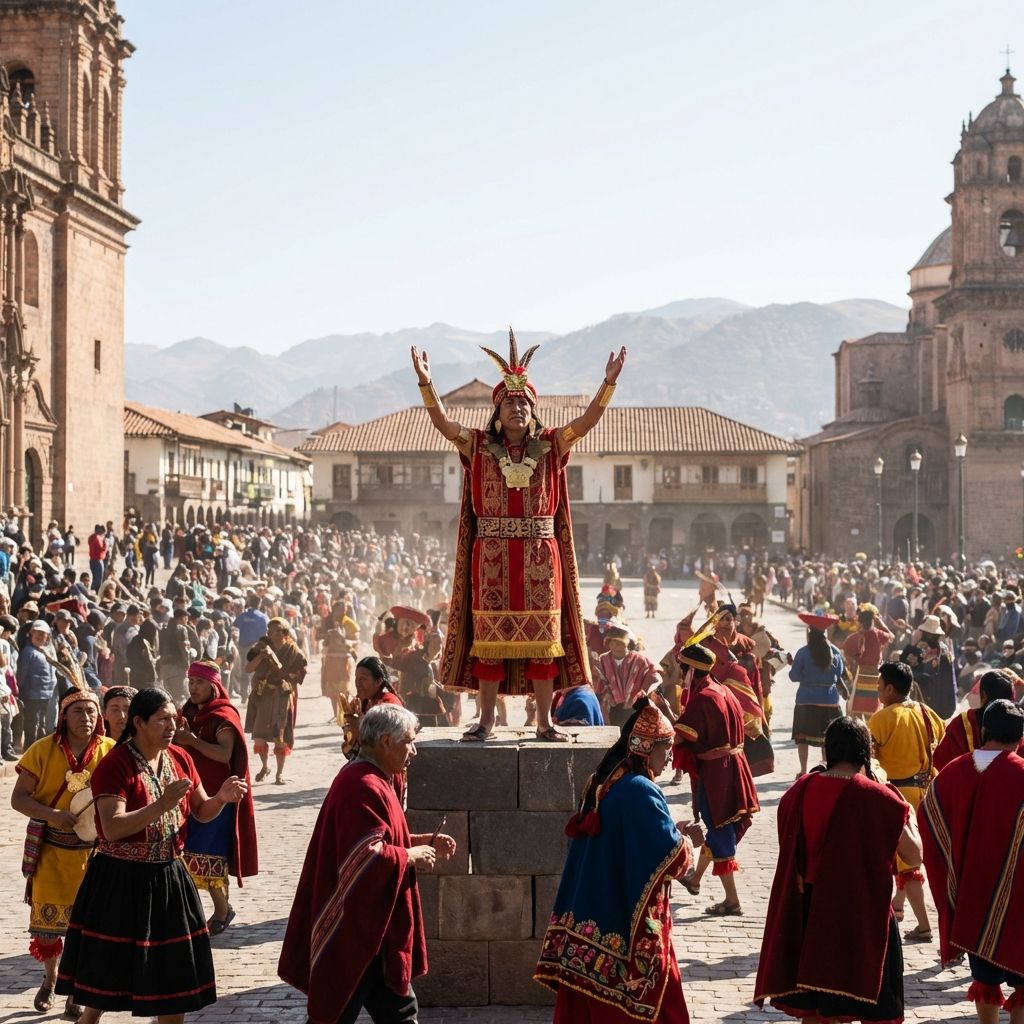
This is an open integration day. Participants may choose to attend the Inti Raymi Festival in Cusco, honoring the Incan celebration of the Sun during Solstice; remain at the retreat center for rest and spa integration, or visit Ñaupa Iglesia, an ancient ceremonial temple carved into living rock in the Sacred Valley.
June 25th
Saqsaywaman + Closing Dinner
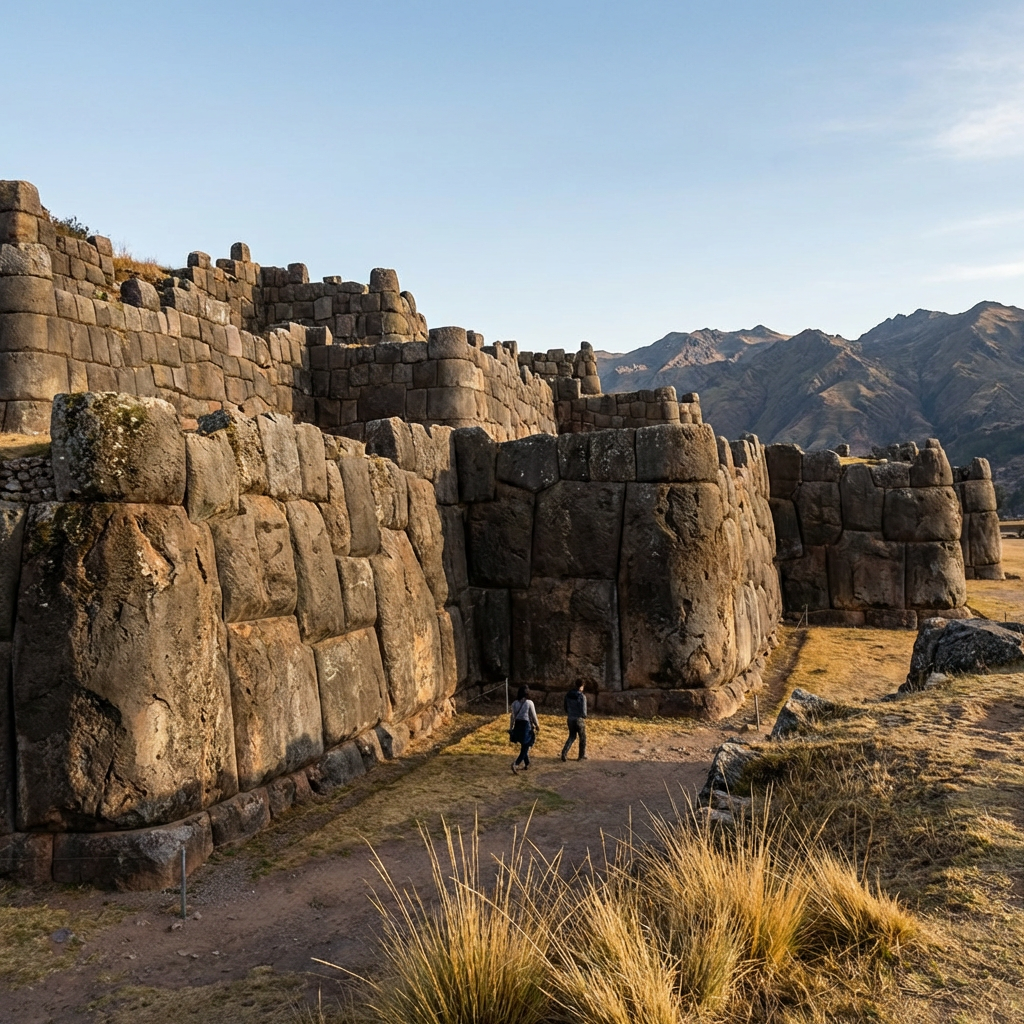
On our final day, we visit Saqsaywaman, the monumental ceremonial complex overlooking Cusco, known for its zigzagging megalithic stone walls. Standing at this ancient ceremonial site, where stone, sky, and history converge, we close our pilgrimage in the presence of a place that has witnessed centuries of ritual and reverence.
We close the pilgrimage here before gathering for a final dinner in Cusco together, honoring the journey we have walked, the transformation that has taken place and the bonds formed along the way.


PLUS: BONUS CLASS
Huni Meka History
Huni Meka's are ancient Huni Kuin ancestral ceremonial prayers. This class is essential in understanding what Huni Meka's are, and the facinating history of where they come from, and when to use them.
ENROLL NOWIN ADDITION
Supportive Materials

Song Book
Beautifully designed Song book with Lyrics in Hatxa Kui with meanings and translations into English.

Self Paced Study
Classes are in the Academy Library. Study at your own pace, practice as much as you like with lifetime access.

Audio Files
Private access to audio files in the Academy Library to study with at anytime.

Expand Your Ceremonial Practice
By learning these sacred Hapé chants, you'll be able to incorporate powerful prayers into your personal or group ceremonies. These songs act as energetic tools, helping to clear, protect, and elevate your ceremonial space, making your healing practices more profound and aligned with the ancestral wisdom of the Amazon.

Connection to the Medicine
Learning these songs will help you develop a stronger relationship with the medicine, the spirits of the Amazon and the Huni Kuin lineage, allowing you to be a powerful bridge for Hapé in your daily rituals, healing sessions or ceremonies

Spiritual Empowerment
These songs are not just melodies, they are prayers imbued with ancient power. You’ll be gaining access to a rare spiritual tradition that you can use to deepen your personal practices, connect with the energies of the Amazon, and bring a new level of authenticity and resonance to your practice, your work and ceremonies.
INTRODUCING
Huni Kuin Hape' Song Study
Learn sacred prayers in one of the oldest languages on Earth, Hatxa Kui of the Huni Kuin, guardians of ancestral wisdom from the heart of the Amazon rainforest. This unique course will deepen your connection to the Amazon, the spirit of Hapé, and the living lineage of the Huni Kuin, who still carry the knowledge of their ancestors from an unbroken lineage.
Whether you're a healer, a Plant Medicine practitioner, or someone seeking a deeper spiritual path, this course offers a profound opportunity to honor the spirits, and the wisdom keepers of the Amazon.
No experience necessary.
Includes:

Authenticity
Receive direct teachings from the Huni Kuin the power of these ancient prayers and their cultural heritage.

Supportive Materials
Songbook, replays, and audio files ensures you can continuously practice at your own pace.

Private Community Support
Join like minded souls. Shaundra will be here to support you in any questions you have.

Lifetime Access
Enjoy life time access. Learn at your own pace. Revisit the materials anytime for continuous learning and growth.

Your Translator Tiago...
Tiago Rezende, is Brazilian and works with Cultural exchanges between Indigenous peoples, art projects and more. He has been studying with Indigenous Tribes for many years. He currently lives in Bahia Brazil, working in Corumbau Cura Retreat Center.


Your Host Shaundra...
Medicine Woman, Quantum Healer, Sound Therapist and Conscious Entrepreneur. Founder of Tribu Spirit, a global brand supporting indigenous tribes with their beyond fair trade model. Founder of Tribu Spirit Academy. With over 16 years of experience in Shamanism and extensive training from diverse Indigenous traditions. She is the founder and Minister of TRIBU, her Plant Medicine Church where she leads transformative ceremonies. She is a teacher and mentor to many walking a spiritual path, empowering them to live a life they love.
Are you ready to empower your path and unlock the ancient wisdom of these sacred Hapé songs?
TRANSFORMING YOUR SPIRITUAL JOURNEY FOREVER

Deepen Your Spiritual Connection
If you’ve been seeking to strengthen your spiritual practice and feel more connected to the Amazonian wisdom and the spirit of Hapé, this course is for you. It offers an intimate way to learn sacred knowledge of the Huni Kuin through their ancient songs and prayers directly from the Huni Kuin

Enhance Your Abilities
If you're a healer, space holder, or ceremony facilitator, these songs will add a powerful new layer to your offerings. Learning the sacred songs in Hatxa Kui can enhance your energy clearing, grounding, and connection during ceremonies or healing sessions.

Honor & Preserve Ancestral Wisdom
Passionate about preserving and honoring indigenous traditions? This course gives you the opportunity to learn directly from the Huni Kuin, and their rich spiritual heritage. By learning these prayers, you become part of the movement to keep this ancient lineage alive.
Frequently Asked Questions
ALL YOUR QUESTIONS ANSWERED HERE
Do I need prior experience with Hapé or shamanic practices to join this course?
How will learning these sacred songs benefit my personal spiritual practice or healing work?
Is there any support or guidance?
Will I receive the recordings of the classes?
ENROLL NOW
Don’t miss this opportunity to carry the ancestral voices of the Huni Kuin into your life and healing work. Join us and become a keeper of this ancient knowledge.
ENROLL NOW